


Fomo Baku: The City Was Ready
Baku already had the DJs, the parties and the appetite for underground electronic music. What it needed was another place to bring it all together. Three years after opening FOMO, Anastasia and Ramin are taking their dancefloor beyond the club and putting Azerbaijan in front of an international audience.
There are cities that have spent decades building their reputations around electronic music, and then there are places where the culture has been developing without much of the outside world paying attention. Baku belongs to the latter. Azerbaijan’s capital has its own DJs, promoters and underground following, but it has rarely occupied the same space in international club conversations as Berlin, Amsterdam or Ibiza. That hasn’t stopped the people living there from building a scene.
When Ramin and Anastasia opened FOMO in 2023, they weren’t trying to introduce electronic music to a city that had never experienced it. They were already part of its nightlife, spending their time between local parties and dancefloors abroad. They knew what was happening in Baku, and they knew what they had experienced elsewhere. The idea was to bring those worlds closer together.
“Ramin and I are passionate music lovers. We fell in love with electronic music on dancefloors around the world. We followed the DJs we admired, travelled for parties and experienced those moments when the music, the people and the place come together and you know you’ll remember that night forever.”
They were clubbers before they became club owners. That distinction matters when understanding FOMO, because the project didn’t begin with a particular business model or an ambition to compete with established nightlife destinations. It began with two people who loved going out, discovering DJs and experiencing music in rooms full of strangers. Eventually, they wanted more of those experiences to happen in their own city.
“We still travel to festivals and events around the world, partly to discover and check out DJs for the club, but also because we genuinely love the music, the culture and the experience ourselves. We love our city and our country just as deeply. Bringing that feeling home was something we carried in our hearts for a long time.”
THE SCENE WAS ALREADY THERE
One of the easiest mistakes to make when discussing emerging electronic music destinations is to assume that the arrival of an internationally recognised club marks the beginning of the culture itself. Baku’s underground existed before FOMO. There were DJs playing, promoters organising parties and audiences showing up because they cared about the music. What FOMO brought was another platform for that community to grow.
“When we opened FOMO, Baku already had a strong and active underground scene, with exciting local DJs and great parties. It was small but special, with a lot of talent and energy. We were part of that scene ourselves, and of course we wanted to help it grow and give local talent a bigger platform.”
The first years were about building a room people wanted to return to. International bookings were part of the equation, but so were residents, regulars and the gradual development of an identity that belonged to the club rather than any particular headliner. Anastasia became part of that process behind the decks herself, teaching herself to DJ and eventually becoming one of FOMO’s residents under the name Stassy.
“We invited DJs, developed our residents and welcomed people into the club night after night. I started teaching myself to DJ, and step by step, our community began to grow and take shape.”
There’s something different about watching a scene develop when you’re also responsible for opening the doors every weekend. The relationship between the people behind the club and the people on its dancefloor becomes part of its identity. For Anastasia and Ramin, those early nights remain an important reference point, particularly now that FOMO is attracting attention beyond Azerbaijan.
“Sometimes Ramin and I look at each other and think about those first nights. Seeing where it has gone from there is emotional for us. We feel incredibly lucky to have played a part in the way electronic music has grown in our city.”
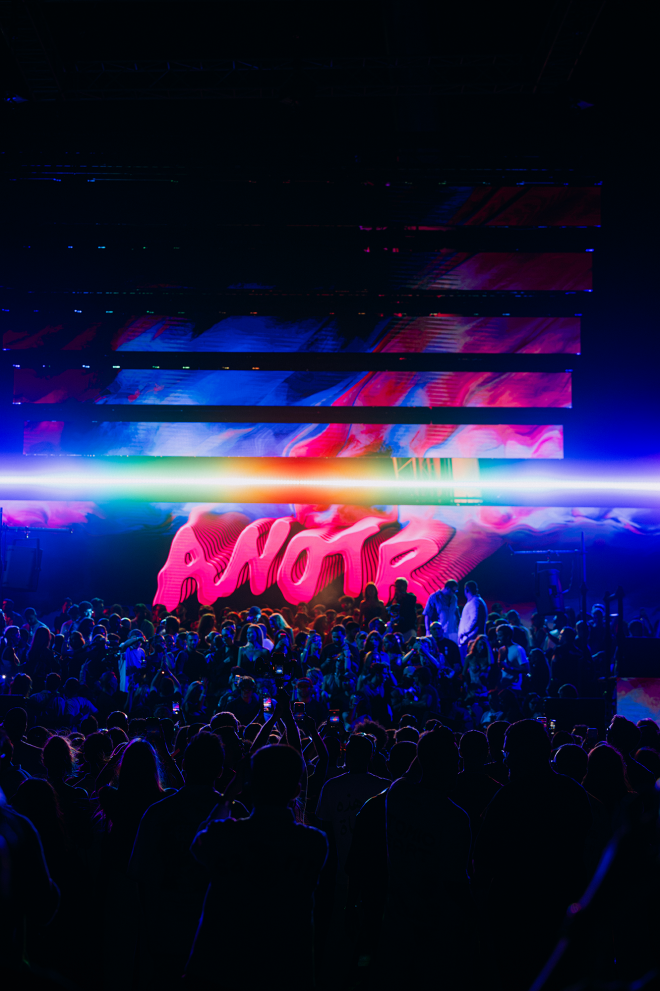
GETTING DJS TO COME TO BAKU
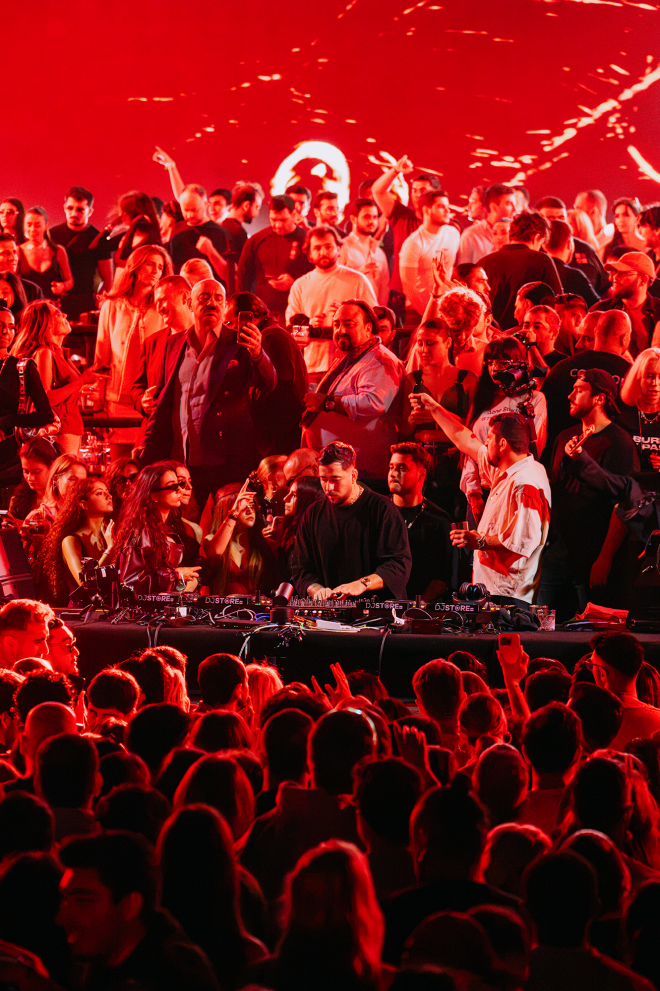
For a club outside the established European touring circuit, booking international artists comes with a particular problem: getting people to understand what exists on the other end of the flight. A city might have the audience, the promoters and the musical knowledge, but that doesn’t necessarily translate into recognition from agents or touring DJs. FOMO encountered that problem early on. Convincing artists to travel to Azerbaijan required more than simply offering them another date on their calendars.
“At first, getting international DJs to come to Azerbaijan was a real challenge. For many of them, Baku felt very far away. Now artists know FOMO, they want to play here, and people travel from other countries to experience the club. Artists can feel that there is an audience here that genuinely loves this music.”
That change in perception has become one of FOMO’s most significant achievements. The club has gradually established itself as a destination for visiting artists while attracting people willing to travel to Baku specifically for its nightlife. It is the kind of shift that can alter how a city fits into the wider electronic music circuit, particularly when international bookings begin generating interest in the local scene rather than existing separately from it.
For Anastasia, however, bringing recognised names to Azerbaijan is only part of the picture.
“For us, the most beautiful part is seeing a culture grow here. International artists are an important part of the journey, but FOMO also belongs to the people who come back, the residents who play and everyone who has helped give the club its own identity. We wanted to create something in Baku, and now we can see people making it their own.”
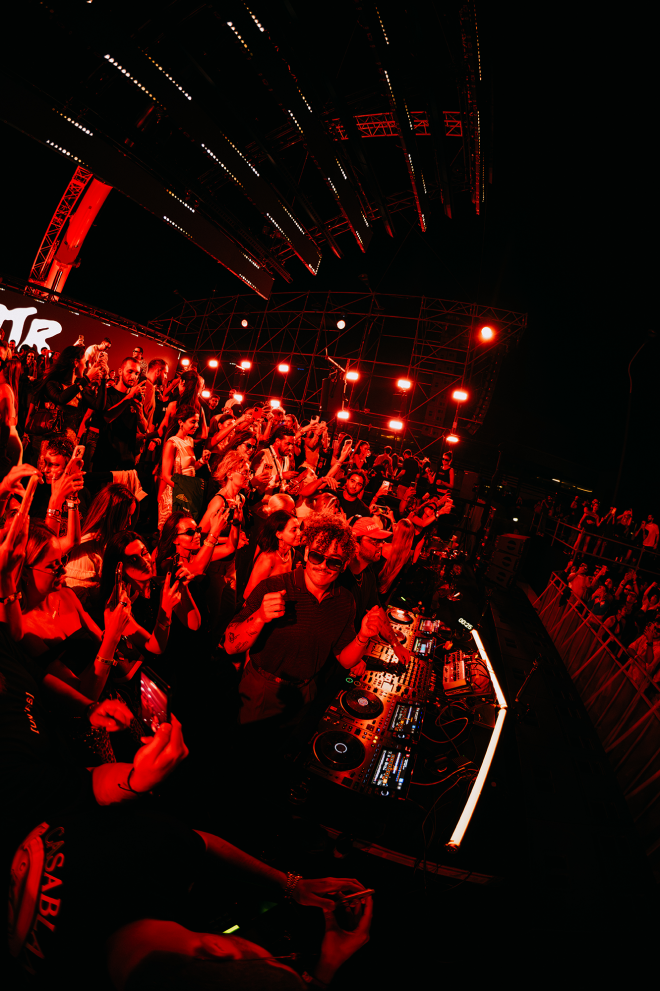

TAKING THE CLUB OUTSIDE
Every September, Formula 1 brings an international crowd to Baku. The Grand Prix changes the city’s rhythm for a weekend, filling its streets with visitors and creating an opportunity for local venues to reach people who might otherwise never have considered Azerbaijan as a destination for electronic music. FOMO had already been using the occasion to programme international artists, but in 2026 the team decided to take things further.
“Formula 1 brings the world to Baku for a weekend. People arrive from so many places, and suddenly they’re on our dancefloor, sharing something we started here at home. Year after year, we’ve been able to bring bigger artists to FOMO during that weekend. Seeing an international audience connect with the club and with Baku means a lot to us.”
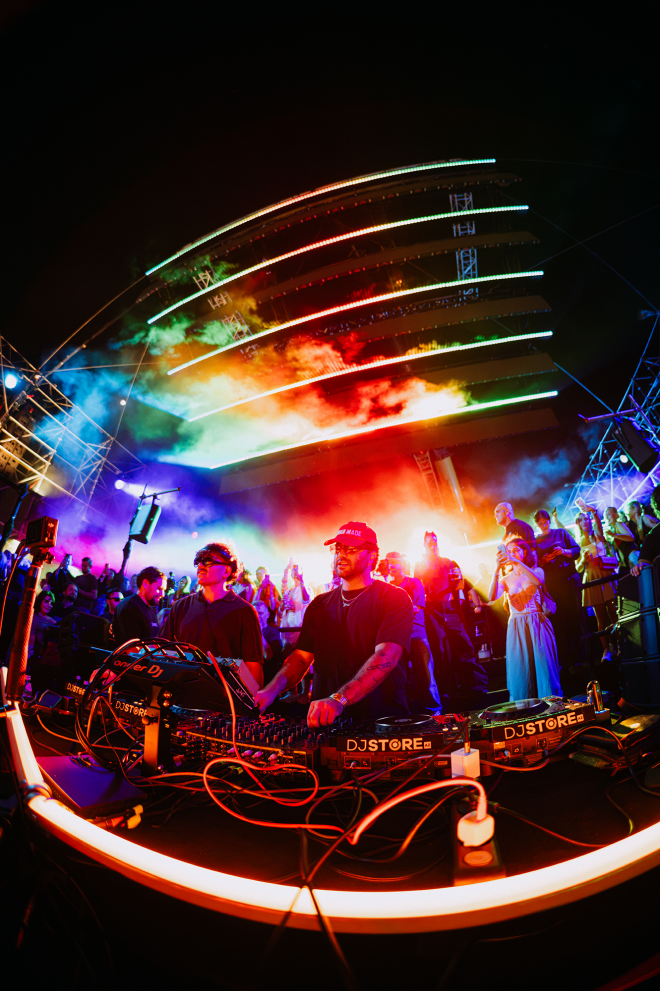
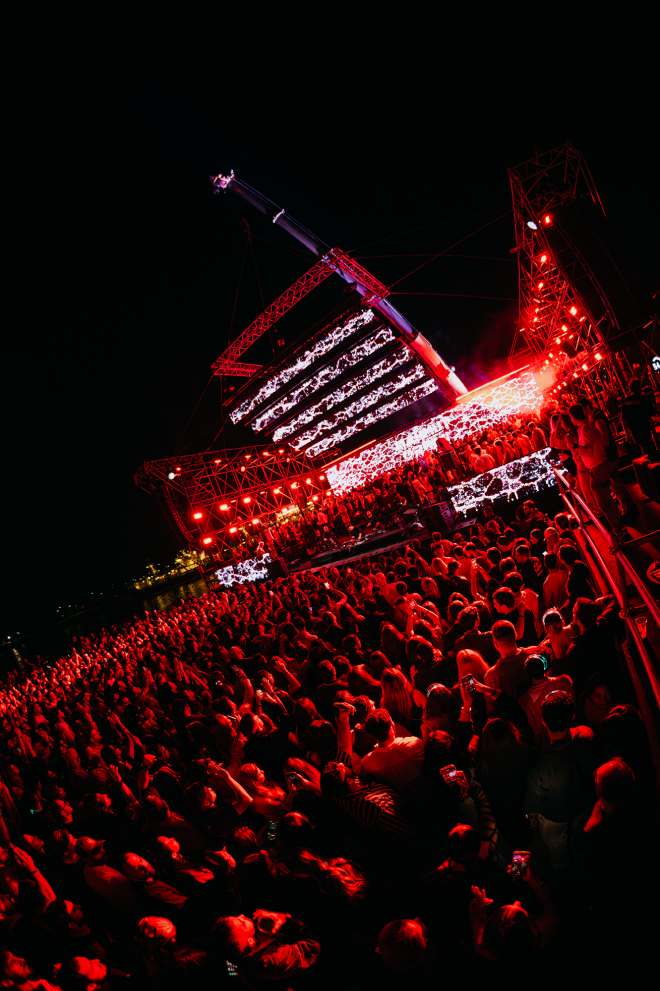
This year marked the arrival of APEX After Dark, a three-night outdoor programme on Baku Boulevard. It was the first time FOMO had taken its Grand Prix events beyond the club, moving the experience to the city’s waterfront. The idea had been there for years, but the team had waited until they felt ready to make it happen.
“The idea of taking FOMO outdoors was always there. Anyone who knows the club and the space around it can see the possibility. After everything we had built over the past few years, this felt like the moment to finally do it. APEX After Dark let us share that experience with a larger audience during a weekend when so many people were discovering Baku.”
Taking a nightclub outside changes the experience. The walls disappear, the scale increases and the environment becomes part of what people remember. For FOMO, the challenge was to make the waterfront feel like an extension of the club without losing the atmosphere that had made the original space work.
“We wanted people to feel the music and the city together. Standing on the waterfront and seeing people dance in the open air, with Baku around us, was a moment we had imagined for years. The setting gave the event a different scale and energy. We wanted to embrace that feeling while making sure it still felt like FOMO.”
ANOTR, JAMIE JONES AND MAHMUT ORHAN
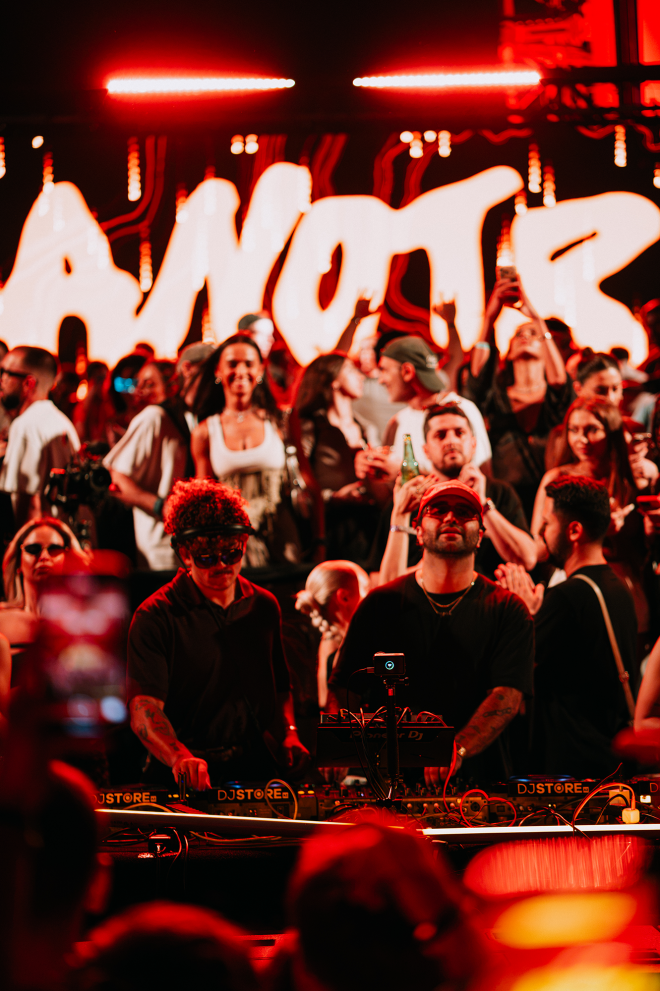
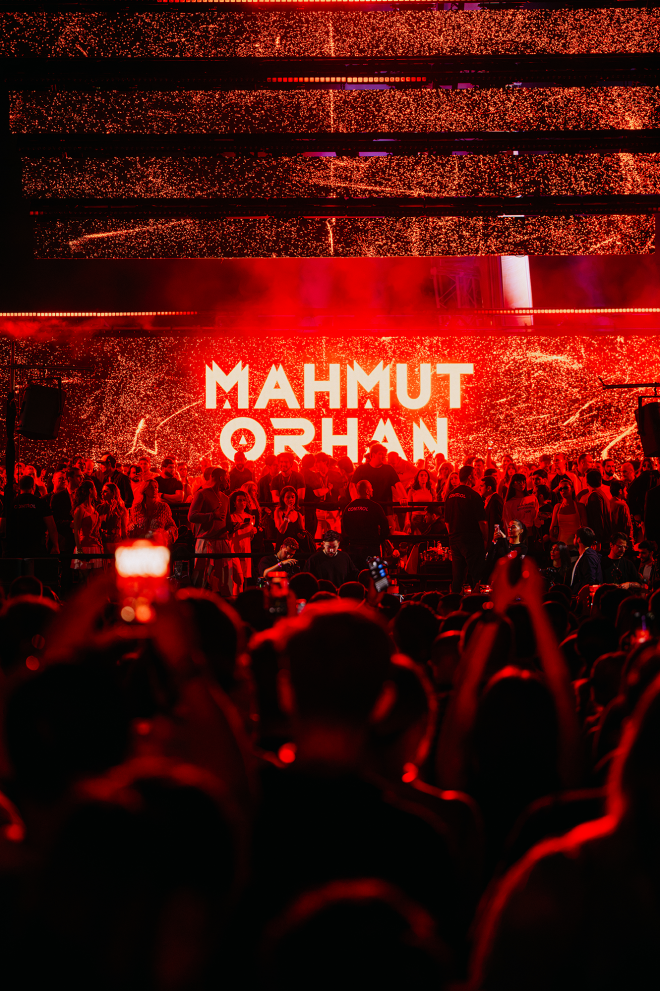
The programming reflected the different audiences FOMO wanted to bring together. ANOTR opened the weekend, followed by Jamie Jones and a closing performance from Turkish artist Mahmut Orhan. Three artists with different musical identities, brought together across three nights in a city still establishing its place on the international touring circuit.
“We wanted the three nights to feel like a journey. We opened with ANOTR, who are at the forefront of electronic music right now and among the most exciting headliners in the world. Then came Jamie Jones, an Ibiza legend and one of our favourite DJs for years. For us, that was a perfect combination.”
Mahmut Orhan’s closing appearance brought another dimension to the programme. As a Turkish artist with an established audience across the region, his booking reflected the cultural connections that exist between Azerbaijan and its neighbours, rather than looking exclusively towards Western Europe’s club circuit.
“We closed with Mahmut Orhan. As an artist from Turkey, he has a particularly strong connection with audiences across our wider region, including Azerbaijan. Ending the weekend with him felt special, and the crowd loved it. Each night had its own identity, but together they felt like one FOMO weekend.”
For Anastasia, the defining moment wasn’t necessarily a particular track or performance. It was seeing a space she and Ramin had imagined using for years finally filled with people dancing.
“Seeing APEX After Dark come to life was the moment for me. We had imagined using that outdoor space for so long, and then suddenly we were standing there, watching people dance by the waterfront. It was our first time doing it, and it was an amazing experience. I already know it won’t be our last.”
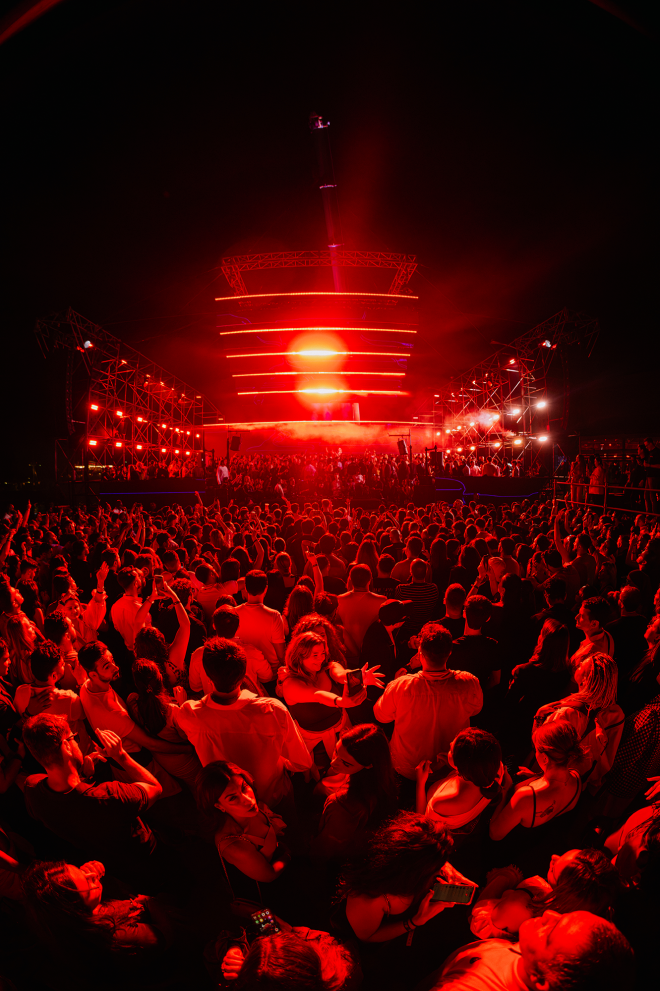
WHAT HAPPENS AFTER FORMULA 1?
A successful Grand Prix weekend can introduce a club to thousands of new people, but it doesn’t sustain an underground scene for the remaining months of the year. That work happens between the bigger events, through the residents, the regular bookings and the audiences who continue turning up when the international visitors have gone home. For FOMO, the challenge now is to build on the attention generated by APEX After Dark without allowing the club to become defined by one weekend.
The autumn programme continues with Jan Ryse, Joseph Capriati and Adriatique among the announced artists. Capriati’s November debut is particularly important to Anastasia and Ramin, who have followed his music for years and developed a personal relationship with the Italian DJ.
“Joseph is a good friend and an incredible DJ. We love his music, but we also love the atmosphere he brings into a room. It feels completely right for FOMO. Having him with us for the first time is something we can’t wait for.”
Beyond those bookings, the ambition is to keep developing a club culture that belongs to Baku. FOMO has already demonstrated that international artists will travel to Azerbaijan and that audiences will come from abroad to experience its dancefloor. The longer-term question is what that attention can mean for the city’s DJs, residents and the next generation of people building its nightlife.
“FOMO has already become more than we dared to imagine when we started. We want to keep going, keep bringing artists we love to Baku and keep building this scene throughout the year. We want people around the world to think of Azerbaijan when they think of electronic music. That dream is still driving us.”
Three years after opening, FOMO is no longer just an idea shared between two people who spent their time travelling to parties. It’s a functioning part of Baku’s underground, with its own residents, regulars and an increasingly international audience. The Grand Prix weekend showed how far the project has come, but the more interesting story is what happens when the lights go down, the visiting crowds leave and the club returns to the people who built its identity in the first place.
Baku already had a scene. FOMO is helping more people find it.
