


30 Years Of Ade: Jean-Michel Jarre Returns To Amsterdam
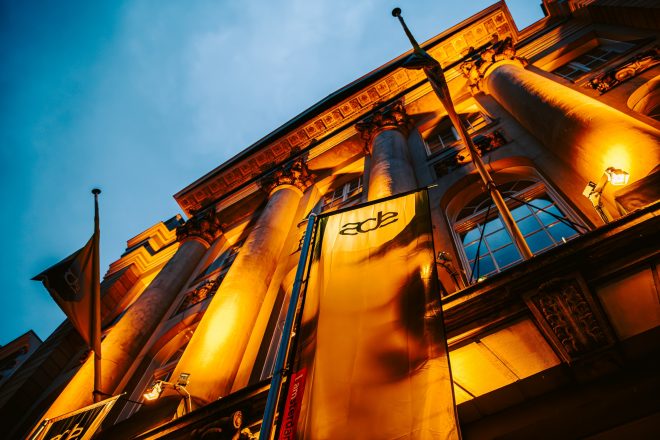
Amsterdam Dance Event turns 30 this October. Jean-Michel Jarre will be there to open it, exactly 50 years after Oxygène changed the possibilities of electronic music.
Thirty years is a strange number for electronic music. This is a culture that has always been obsessed with what is next: the next record, the next club, the next movement, the next technology, the next sound nobody has found a name for yet. But ADE turning 30 gives us a rare reason to stop and look at how much has actually happened around it.
From October 21 to 25, Amsterdam Dance Event celebrates three decades since its first edition in 1996. In that time, ADE has grown into something difficult to describe simply as a festival or conference. For one week every October, Amsterdam becomes a place where almost every layer of electronic music somehow crosses paths, from artists and fans to promoters, agents, labels, managers, journalists and the people building whatever comes next.
For its anniversary, ADE has invited Jean-Michel Jarre as its guest of honour. He will perform the Opening Concert at AFAS Live on October 21, appear for an exclusive keynote interview at ADE Pro and make further appearances throughout the programme. There is something almost too perfect about the timing: while ADE celebrates 30 years, Jarre is celebrating 50 years of Oxygène.
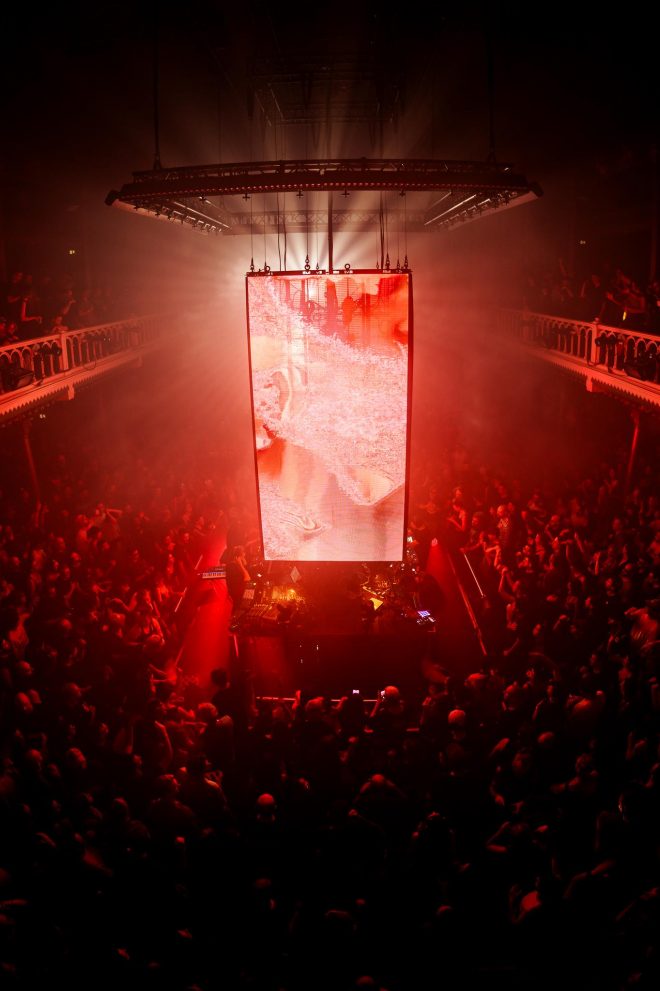
50 YEARS OF OXYGÈNE
Released in 1976, Oxygène arrived in a world where electronic music barely resembled the culture we know today. There were no superstar DJ circuits, electronic music conferences, festival seasons or global networks connecting artists and scenes overnight. Even the idea of building an entire musical identity around synthesizers still felt radically different.
That is what makes Jarre such an interesting choice for this anniversary. We use the word “pioneer” constantly in electronic music, sometimes until it loses its meaning, but Jarre belongs to a generation that was genuinely working without a map. His relationship with synthesizers, technology, visuals and monumental live performance developed before many of the structures surrounding electronic music today even existed.
Half a century later, Oxygène still sounds connected to that sense of discovery. The machines have changed and the culture around them has exploded, but the fundamental fascination remains the same: what happens when technology gives you a sound that did not exist before? It is a question electronic music has been asking repeatedly ever since.
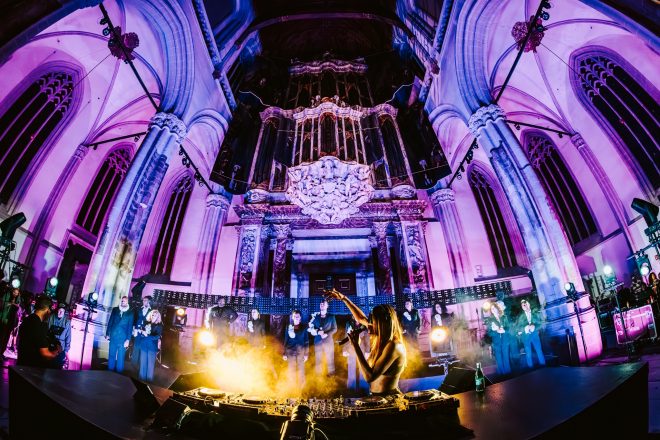
JARRE OPENS ADE 2026
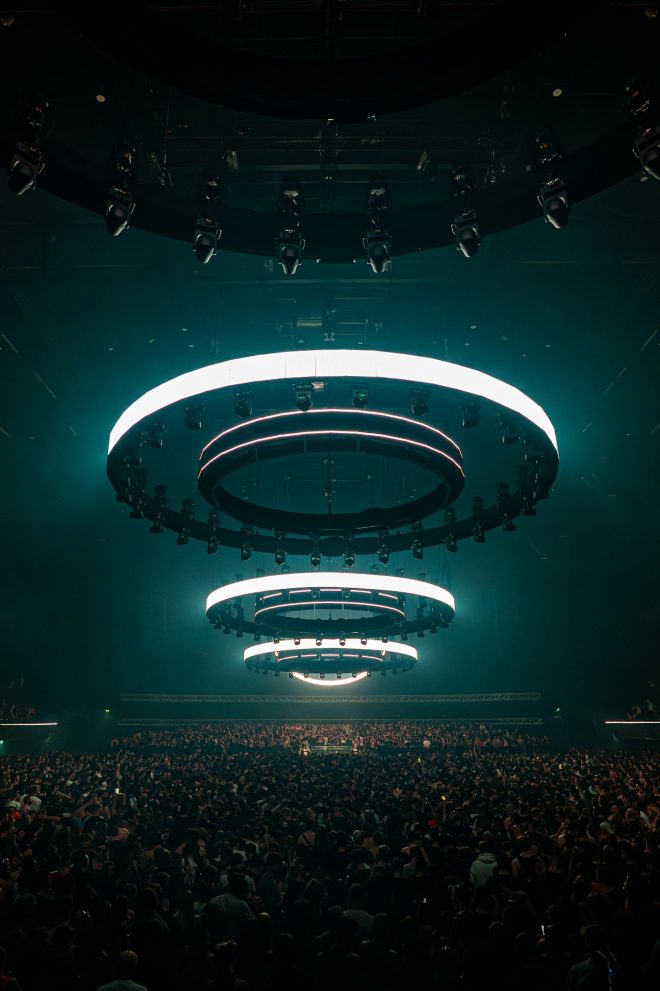
Presented by MOJO and Insomniac, Jarre’s October 21 performance at AFAS Live will bring that history into the opening night of ADE. The show is expected to move through different atmospheres, stage designs, projections, mapping, lighting and video rather than treating the anniversary as a conventional retrospective. Anyone familiar with Jarre’s live history will know that the visual world has never been decoration around the music; it has always been part of the composition.
“Electronic music, as well as ADE, has a history, a legacy and a future. The live show at ADE is going to celebrate its 30th anniversary, but also the 50th anniversary of Oxygène. I have the ambition to keep the suspense and go from one track to another, into a different atmosphere, different stage design, mapping, giant projections and architectures of lights and videos, to share that moment that can stay in your heart and your brain for the rest of your lives. This is the reason I’m so happy to be part of this celebration in 2026.”
That sentence about history, legacy and future probably gets closest to why this particular booking works. Jarre has spent decades thinking beyond the traditional concert stage, using buildings, public spaces, projections and architecture as extensions of electronic sound. Technology has changed beyond recognition during that time, but his interest in what it can do to the experience of music has remained remarkably consistent.
Jarre will also sit down for an exclusive keynote interview at ADE Pro, giving the week another opportunity to look beyond the anniversary itself. There is a lot to discuss when someone has watched electronic music evolve across five decades, particularly at a moment when AI, immersive technology and new methods of production are once again changing our relationship with machines. Further appearances involving Jarre are expected to be revealed as ADE continues announcing its 2026 programme.
WHAT 30 YEARS ACTUALLY MEANS
This is where the anniversary becomes personal for me. Working within electronic music every day, it is easy to forget how young this entire ecosystem actually is. We talk about labels, festivals, clubs, careers, genres and subgenres as established institutions, but much of the culture we now consider permanent was still being invented, tested or fought for within living memory.
I also think we sometimes forget how absurdly big electronic music has become. A sound that spent years being dismissed as temporary, artificial or somehow less legitimate than other forms of music now has generations behind it. There are people discovering house and techno today whose parents were already dancing to those records, while completely new scenes continue forming around sounds that would have been almost unimaginable when ADE began.
ADE has had a front-row seat to that transformation. When it launched in 1996, electronic music already had incredible scenes, clubs, labels and communities, but the international infrastructure around them was nowhere near what exists today. Thirty years later, people from practically every part of that ecosystem arrive in Amsterdam at the same time, and somehow the city manages to contain the chaos for five days.
For me, that is what makes ADE special. You can spend an afternoon discussing where the business is heading, accidentally run into someone you have been emailing for six months on the street, discover an artist you had never heard of that evening and finish the night inside a club listening to music that completely resets your ears. There is an industry operating underneath all of it, obviously, but there is still something beautifully unpredictable about having that many people who care obsessively about electronic music occupying the same city.
NOT A MUSEUM
That is also why I hope the 30th anniversary does not become too comfortable looking backwards. Electronic music has never been particularly good at standing still, and that is probably one of the reasons it has survived every prediction that it was going to disappear. Its history matters, but mostly because understanding where this culture came from makes the next mutation even more interesting.
Putting Jean-Michel Jarre at the opening of ADE 2026 captures that tension perfectly. Oxygène turns 50, ADE turns 30, and somewhere else in Amsterdam that same week, someone will probably play a record made six days earlier that sounds nothing like we´ve ever heard before. All of those things can belong to the same culture.
That is the part of this anniversary I find genuinely exciting. We have enough history behind electronic music to talk seriously about legacy, but the story still feels unfinished. Amsterdam this October should not feel like a museum dedicated to the last 30 years.
It should feel like another five days inside whatever comes next.
